The 3 T's Method: Technique, Transcription, Tunes for Smarter Practice
What does liability coverage cover on an auto policy?
It covers the damage and injuries you cause to other people when you're at fault in an accident. It generally has two parts: bodily injury liability (others' injuries) and property damage liability (others' property, like their vehicle). It's the required foundation of an auto policy, protecting you financially from your responsibility to others on the road, up to your policy's limits.
Does liability cover my own car?
No, this is the most common misunderstanding. Liability covers damage you cause to others' property, not your own vehicle. If you're at fault, your liability handles the other party's car, not yours. Coverage for your own car comes from separate coverages (commonly collision and other-than-collision coverage). Having liability alone does not mean your own vehicle is covered after an accident.
Does liability cover my own injuries?
No. Liability covers injuries you cause to other people, not your own medical costs. Coverage for your own injuries comes from separate coverage types (such as medical payments or personal injury protection, depending on the policy and where you live). Like your own vehicle, your own injuries require coverages beyond liability, which is part of why policies include more than just liability.
What are the two parts of liability coverage?
Bodily injury liability and property damage liability. Bodily injury liability covers injuries you cause to other people (the other driver, passengers, pedestrians) in an at-fault accident. Property damage liability covers damage you cause to others' property, most often their vehicle, but also things like fences or buildings. Together they cover the injuries and property damage you cause to others when you're at fault.
Why is liability required but it doesn't cover me?
Because liability exists to cover your responsibility to others, the harm you might cause them, which is why it's typically required to drive. It's outward-facing by design. Protecting yourself and your own vehicle is the purpose of other, separate coverages you can carry. So liability being required ensures others are covered when you're at fault; covering yourself is a separate choice through additional coverages.
If I only have liability, am I covered in an accident?
Only for the harm you cause others when you're at fault, not for your own vehicle or injuries. With liability alone, an at-fault accident would leave your own car repairs and your own injuries uncovered by that policy. That's why many drivers carry additional coverages. Understanding this gap is important, "I have liability" is not the same as "I'm covered for everything."
How do I know what my policy actually covers?
Review it with a licensed insurance agent. Because requirements, limits, and the specific coverages on your policy depend on your situation and your state, an agent can explain exactly what your liability limits are, what other coverages you have or don't, and what your overall protection looks like. This article explains liability in general terms; for your specific policy and decisions, an agent who can look at your situation is the right resource.
Quick Answer: The 3 T's method organizes a practice session around three parts: Technique, Transcription, and Tunes. Technique covers the physical skills of your instrument, such as scales, finger control, tone, and rhythm. Transcription trains your musical ear by figuring out music from a recording and writing it down or playing it back. Tunes is the repertoire, the actual songs and pieces you are learning to perform. Giving each part a place in your week keeps development balanced, so your hands, your ear, and your song list move forward together instead of one racing ahead while the others stall. The method works for beginners, teens, and adults on any instrument.
Picture a typical practice session. You sit down with your instrument, play through the song you like best, stumble on the same hard measure twice, get a little frustrated, and call it a day after twenty minutes. Tomorrow you do almost the same thing. A few weeks later the favorite song sounds a little better, but scales still feel stiff, you cannot pick out a simple melody from the radio, and anything new takes forever to learn.
Nothing about that session was lazy. It simply put all of the effort into one corner of musicianship. When practice has no shape, the easiest or most fun part wins every time, and the other parts quietly fall behind. A good structure fixes that without adding hours to your week.
That is the idea behind the 3 T's method, an original approach developed at Brooklyn's own family owned music studio and built around three parts of every practice session: Technique, Transcription, and Tunes. This guide explains what each T means, how to fit all three into a session, and how to adjust the balance for a child, a teen, or an adult learner.
Why Practice Needs a Plan
Most students practice the way they were never taught to practice. They play what is fun, repeat what is already comfortable, and skip what feels hard. That is human nature, and it is also why a student can play one song well while struggling with everything around it.
Musicianship is not one skill. It is at least three skills that feed each other. Your hands need to be able to do what your mind asks. Your ear needs to hear what is actually happening in the music. And you need real pieces to play, because music is meant to be performed and enjoyed, not just drilled.
A plan gives each of those skills a seat at the table. It also takes the guesswork out of sitting down to practice. Instead of wondering what to work on, you already know the three questions to answer: What am I building with my hands, what am I figuring out with my ears, and what am I playing for the pleasure of it?
T One: Technique, the Physical Side of Playing
Technique is everything your body does to make sound. On piano that means finger independence, hand position, and even pressure. On guitar it means clean fretting, steady picking or strumming, and smooth chord changes. For voice it includes breath support and pitch control. For any instrument it also includes rhythm, because keeping steady time is a physical skill as much as a mental one.
What Technique Work Looks Like
Technique practice includes scales, arpeggios, rhythm exercises, and targeted drills addressing specific challenges. Five to ten focused minutes on one clear goal often delivers better results than extended, unfocused repetition.
Why It Matters For Everything Else
Strong technique makes learning new tunes and playing by ear easier. When your hands move comfortably, you can learn melodies faster, reproduce what you hear, and enjoy playing without constantly struggling with the instrument.
Keeping It Connected To Real Music
The most useful technique exercises come directly from songs you are learning. Turn a tricky chord change or quick left-hand pattern into a short daily drill, giving each exercise an immediate, practical purpose.
T Two: Transcription, Training the Musical Ear
Transcription means working out music by listening to it. You play a recording, figure out what is happening, and then write it down or play it back on your instrument. Professional musicians have used this skill for generations because it teaches things that sheet music alone cannot.
Many students never try it because it sounds advanced. It does not have to be. A beginner can start with a four note melody from a favorite song. An intermediate player can pick out a bass line or a set of chords. An advanced student can take on a full solo or a vocal harmony. The size of the task grows with the student.
What Transcription Builds
Transcription trains your ear to recognize intervals, rhythms, and chord progressions while strengthening musical memory. Over time, you become less dependent on written notes and develop a deeper understanding of how music works.
A Simple Way To Start
Choose a short musical phrase, listen repeatedly, hum it, and find the notes on your instrument. Compare your attempt with the recording, slow difficult passages, and break challenging phrases into smaller sections.
Tip: Keep a small notebook or a notes app just for transcription. Write down each melody you work out, even if it is only a few notes. Looking back over a month of entries shows you how much your ear has grown, and it gives you a bank of ideas to play with later.
T Three: Tunes, the Music You Actually Want to Play
Tunes are the songs and pieces at the center of why most people pick up an instrument in the first place. They might be a pop song, a jazz standard, a classical piece, a hymn, or a school band part. Whatever the style, this is the repertoire you are building and the music you will eventually share with other people.
Why Tunes Come Third But Are Not Least Important
Tunes keep students motivated by turning practice into enjoyable music-making. Recognizable songs give children a sense of achievement and help adults reconnect with the pleasure of playing.
How To Approach A Tune
Divide songs into sections, practice difficult passages first, and connect them gradually. Start slowly, increase the tempo as accuracy improves, then perform the complete piece.
Building A Balanced Repertoire
Keep one challenging tune, one nearly finished piece, and one or two favorites in rotation. This balances skill development with enjoyment and makes every practice session rewarding.
Putting the Three T's Into One Session
The three parts do not need to be equal in length, and they do not need to happen in the same order every day. What matters is that over the course of a week, each one gets real attention.
A Sample Thirty Minute Session
Spend about eight minutes on technique with one clear target. Spend about seven minutes on transcription, working out one short phrase by ear. Spend the remaining fifteen minutes on tunes, tackling the hardest section first and finishing with a full run through of something you enjoy. This is only a starting point, and you can shift the balance as your goals change.
A Flexible Weekly Pattern
If daily sessions are short, you can rotate the emphasis. Lead with technique on Monday and Thursday, transcription on Tuesday and Friday, and tunes on Wednesday and the weekend, while still touching a little of each T every day. The rotation keeps sessions fresh and prevents any single area from being neglected.
Using A Lesson To Set The Focus
A teacher can listen to where you are strong and where you are thin, then suggest a split that fits. A student who plays beautifully but cannot hear chord changes needs more transcription. A student with a good ear but shaky hands needs more technique. Having someone outside your own habits spot the imbalance is one of the most useful things a lesson provides.
Warning: Do not let tunes swallow the whole session. It is natural to spend all of your time on the song you love, but when technique and ear work get skipped for weeks, progress tends to flatten out. Even five minutes each on the other two T's keeps the balance from tipping.
Putting the Three T's Into One Session
The three parts do not need to be equal in length, and they do not need to happen in the same order every day. What matters is that over the course of a week, each one gets real attention.
A Sample Thirty Minute Session
Spend about eight minutes on technique with one clear target. Spend about seven minutes on transcription, working out one short phrase by ear. Spend the remaining fifteen minutes on tunes, tackling the hardest section first and finishing with a full run through of something you enjoy. This is only a starting point, and you can shift the balance as your goals change.
A Flexible Weekly Pattern
If daily sessions are short, you can rotate the emphasis. Lead with technique on Monday and Thursday, transcription on Tuesday and Friday, and tunes on Wednesday and the weekend, while still touching a little of each T every day. The rotation keeps sessions fresh and prevents any single area from being neglected.
Using A Lesson To Set The Focus
A teacher can listen to where you are strong and where you are thin, then suggest a split that fits. A student who plays beautifully but cannot hear chord changes needs more transcription. A student with a good ear but shaky hands needs more technique. Having someone outside your own habits spot the imbalance is one of the most useful things a lesson provides.
What does liability coverage cover on an auto policy?
It covers the damage and injuries you cause to other people when you're at fault in an accident. It generally has two parts: bodily injury liability (others' injuries) and property damage liability (others' property, like their vehicle). It's the required foundation of an auto policy, protecting you financially from your responsibility to others on the road, up to your policy's limits.
Does liability cover my own car?
No, this is the most common misunderstanding. Liability covers damage you cause to others' property, not your own vehicle. If you're at fault, your liability handles the other party's car, not yours. Coverage for your own car comes from separate coverages (commonly collision and other-than-collision coverage). Having liability alone does not mean your own vehicle is covered after an accident.
Does liability cover my own injuries?
No. Liability covers injuries you cause to other people, not your own medical costs. Coverage for your own injuries comes from separate coverage types (such as medical payments or personal injury protection, depending on the policy and where you live). Like your own vehicle, your own injuries require coverages beyond liability, which is part of why policies include more than just liability.
What are the two parts of liability coverage?
Bodily injury liability and property damage liability. Bodily injury liability covers injuries you cause to other people (the other driver, passengers, pedestrians) in an at-fault accident. Property damage liability covers damage you cause to others' property, most often their vehicle, but also things like fences or buildings. Together they cover the injuries and property damage you cause to others when you're at fault.
Why is liability required but it doesn't cover me?
Because liability exists to cover your responsibility to others, the harm you might cause them, which is why it's typically required to drive. It's outward-facing by design. Protecting yourself and your own vehicle is the purpose of other, separate coverages you can carry. So liability being required ensures others are covered when you're at fault; covering yourself is a separate choice through additional coverages.
If I only have liability, am I covered in an accident?
Only for the harm you cause others when you're at fault, not for your own vehicle or injuries. With liability alone, an at-fault accident would leave your own car repairs and your own injuries uncovered by that policy. That's why many drivers carry additional coverages. Understanding this gap is important, "I have liability" is not the same as "I'm covered for everything."
How do I know what my policy actually covers?
Review it with a licensed insurance agent. Because requirements, limits, and the specific coverages on your policy depend on your situation and your state, an agent can explain exactly what your liability limits are, what other coverages you have or don't, and what your overall protection looks like. This article explains liability in general terms; for your specific policy and decisions, an agent who can look at your situation is the right resource.
Warning: Do not let tunes swallow the whole session. It is natural to spend all of your time on the song you love, but when technique and ear work get skipped for weeks, progress tends to flatten out. Even five minutes each on the other two T's keeps the balance from tipping.
Adjusting the 3 T's for Different Players
The framework stays the same, but the way it looks changes with the learner.
Young Beginners
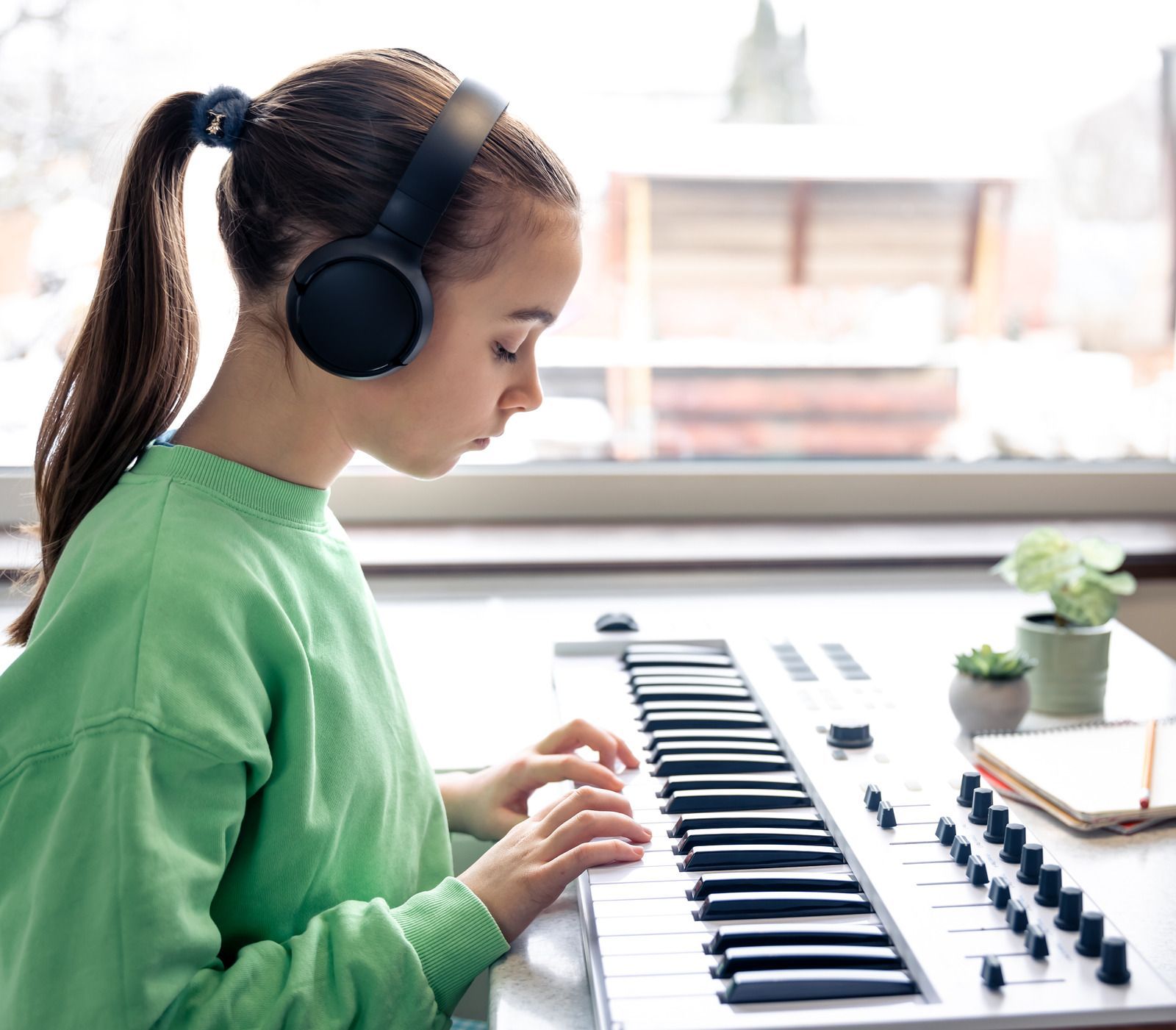
For a child, sessions should be short and playful. Technique might be a rhythm game or a simple finger exercise. Transcription might be echoing back a short tune a parent plays or hums. Tunes will usually be the main attraction. A parent can help by asking the child to show one thing from each T during the week.
Teens And School Musicians
Students in school band or chorus often have a heavy load of assigned music, which means tunes can dominate. Carving out a little time for technique and for figuring out a favorite song by ear keeps a teen growing as a musician beyond the next concert part.
Adult Learners
Adults often have the least time and the clearest goals. A short session that touches all three T's is worth more than a long one that covers only the song they want to play at the next family gathering. Adults also tend to enjoy transcription, since it connects to music they already know and love.
Online And In Person
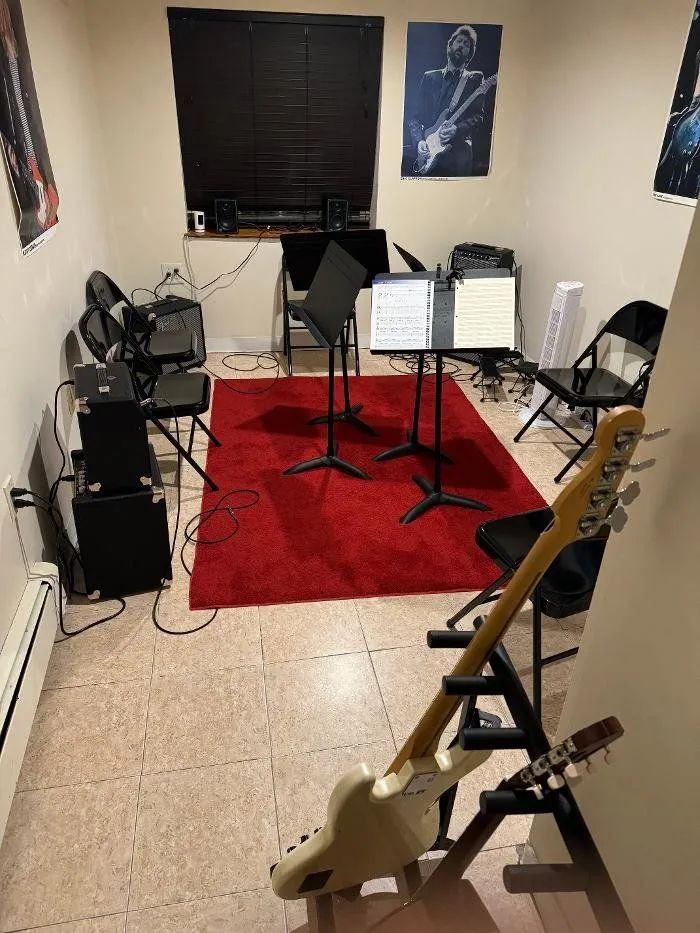
The structure works the same in either setting. Online lessons can walk through a transcription exercise on screen, and an in person teacher can watch hand position up close. Either way, the three parts give the lesson and the practice between lessons a shared language.
Signs Your Practice Is Out of Balance
It can be hard to see an imbalance from the inside. These patterns usually point to one T being neglected.
You Play Familiar Songs Well But Struggle With New Ones
Technique and ear training may need attention, as unfamiliar music challenges your listening skills and hand coordination.
You Can Play Written Music But Cannot Play By Ear
Spend more time transcribing simple melodies to strengthen your ability to recognize notes and reproduce music by ear.
You Can Hear It In Your Head But Your Hands Will Not Follow
Focused, short technique drills connected to your current music can improve coordination and help your hands follow musical ideas.
Practice Has Started To Feel Like A Chore
Reconnect with the joy of playing by choosing a favorite tune to enjoy without pressure to perfect it.
Frequently Asked Questions
What are the 3 T's in the 3 T's method?
They are Technique, Transcription, and Tunes. Technique is the physical skill of playing or singing, transcription is working music out by ear, and tunes are the songs you are learning to play.
How long should each part of a session take?
There is no single right split. A common start is a small block for technique, a small block for transcription, and the largest block for tunes. Shift more time toward whichever area feels weakest.
Is transcription too hard for a beginner?
Not when the task is sized correctly. A beginner can start with two or three notes from a familiar melody, listening closely and finding them on the instrument. Longer phrases come as the ear grows.
Can children use the 3 T's method?
Yes. For younger students the parts stay short and playful, such as a rhythm game, echoing a melody, and playing a favorite song. Parents can ask the child to show one thing from each T weekly.
Does the 3 T's method work for singers as well as instrumentalists?
Yes. Singers build technique through breath control and pitch accuracy, transcribe melodies or harmonies by ear, and prepare songs as their tunes. The same three part structure keeps vocal practice balanced and steady.
Do I need a teacher to use the 3 T's method?
You can try the structure alone, but a teacher makes it far more effective. An instructor hears which area needs attention, chooses suitable material for each, and adjusts the plan as you improve.
Practice That Builds the Whole Musician
Better practice is rarely about more hours. It comes from giving each important skill its share of attention. Technique makes the instrument feel natural in your hands, transcription teaches your ear to understand what it hears, and tunes give all of that work a reason and a result you can share. When the three move forward together, music stops feeling like a set of separate chores and becomes one connected craft.
Brooklyn Music Workshop
has taught students in Brooklyn, NY, for 25
years, and that experience shapes how the
3 T's method
is shared in every lesson. Instructors listen for which area needs the most care, then adjust the balance for children, teens, and adults. Hands, ear, and repertoire grow in step, whether the lesson happens online or in person. Students leave each week with a clear plan and the confidence to keep playing.